German Shepherd Age Calculator — How Old Is Your German Shepherd in Human Years?
Convert your German Shepherd's age to human years with a scientifically backed formula designed for large breeds. Instant results with life stage and breed-specific care tips.
German Shepherd: Breed Overview
German Shepherds are one of the world's most versatile and intelligent dog breeds, originally developed for herding sheep in Germany. Today, they excel as police dogs, service dogs, search and rescue dogs, and loyal family companions. As a large breed with specific health considerations, understanding how German Shepherds age is essential for providing optimal care throughout their lifetime.
Average Lifespan
German Shepherds typically live 9-13 years. With excellent care, proper nutrition, regular exercise, and preventive healthcare, some German Shepherds reach 14-15 years. Factors significantly affecting lifespan include genetics, responsible breeding practices, weight management, and early detection of breed-specific health conditions.
Size Impact on Aging
As large breed dogs (50-90 lbs for males, 50-70 lbs for females), German Shepherds age faster than small and medium breeds. A 7-year-old German Shepherd is approximately 56 in human years, already entering senior status. This accelerated aging pattern means German Shepherd owners must be proactive about health monitoring, particularly for joint health and cardiac conditions, starting around age 4-5.
Common Health Concerns
German Shepherds are predisposed to several breed-specific health issues including hip and elbow dysplasia, Degenerative Myelopathy (DM), Gastric Dilatation-Volvulus (Bloat), heart conditions, Exocrine Pancreatic Insufficiency (EPI), and cancer (hemangiosarcoma and osteosarcoma). Regular screening and preventive care are essential.
Care Recommendations by Age
Puppies need large-breed puppy food and early socialization. Young adults require vigorous daily exercise (2+ hours) and mental stimulation. Mature adults benefit from weight monitoring and joint supplements. Seniors need semi-annual vet exams, senior formula food, and modified exercise routines.
German Shepherd Age to Human Years Chart
German Shepherds fall into the "Large" breed category (over 50 lbs). Here's how your German Shepherd's age translates to human years using the DNA methylation formula with large breed adjustments:
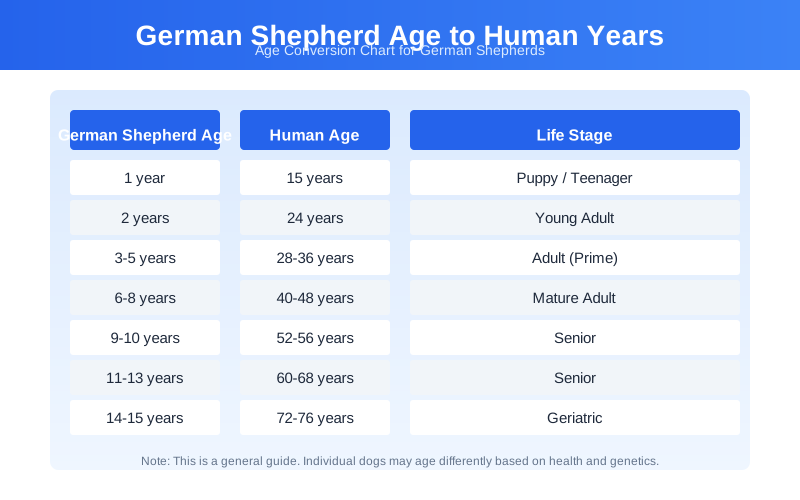
| German Shepherd Age | Human Age | Life Stage |
|---|---|---|
| 1 year | 15 | Junior |
| 2 years | 24 | Young Adult |
| 3 years | 30 | Adult |
| 4 years | 36 | Adult |
| 5 years | 42 | Mature |
| 6 years | 49 | Mature |
| 7 years | 56 | Senior |
| 8 years | 63 | Senior |
| 9 years | 70 | Senior |
| 10 years | 77 | Geriatric |
| 11 years | 84 | Geriatric |
| 12 years | 91 | Geriatric |
| 13 years | 98 | Geriatric |
| 14 years | 105 | Geriatric |
Average German Shepherd lifespan: 9-13 years. Well-cared-for German Shepherds with excellent genetics may reach 14-15 years, though this is less common than in smaller breeds.
Why German Shepherds Age Faster Than Small Dogs
German Shepherds are large breed dogs, and larger dogs age faster for several biological reasons:
- Higher IGF-1 (insulin-like growth factor 1) levels: This hormone promotes rapid growth during puppyhood but also accelerates cellular aging processes throughout life.
- Increased oxidative stress: Larger bodies produce more free radicals during metabolism, leading to faster accumulated cellular damage over time.
- Rapid growth rate: German Shepherds reach full size in 12-18 months, placing significant stress on developing joints and organ systems that can have long-term health implications.
- Greater physical wear: More weight and size means more stress on joints, bones, and organs over the years.
- Selective breeding factors: Some large breeds have been selectively bred for size and working ability, which can inadvertently affect longevity-related genes.
German Shepherd Life Stages
Puppy (0-6 months)
Rapid growth and development phase. Feed large-breed puppy food 3-4 times daily to support steady growth—avoid overfeeding, as rapid weight gain increases hip dysplasia risk. Begin vaccination series. Critical socialization period: expose your German Shepherd puppy to diverse people, animals, sounds, and environments. Start basic obedience training and housetraining immediately. Avoid high-impact exercise to protect developing joints.
Junior (6-12 months)
Continue large-breed puppy food until 12-18 months. Sexual maturity occurs around 6-9 months—discuss spay/neuter timing with your vet, as recent research suggests delaying until skeletal maturity may benefit joint health in large breeds. Intensify training and socialization. German Shepherds are highly intelligent and benefit from structured, positive reinforcement training. Gradually increase exercise duration but maintain low-impact activities.
Young Adult (1-3 years)
Transition to high-quality adult dog food. Peak physical condition and energy. German Shepherds need 2+ hours of combined physical and mental exercise daily. This is the ideal age for advanced training, dog sports (agility, obedience, tracking), or working dog activities. Establish regular vet checkup schedule (annual). Monitor for any early orthopedic concerns.
Mature Adult (3-6 years)
Maintain consistent exercise routine. Watch for subtle changes in mobility or energy. Consider starting joint supplements proactively (consult your vet). Annual comprehensive health exams should include orthopedic assessment and cardiac screening. German Shepherds at this age may begin showing early signs of hip dysplasia or other joint issues. Weight management becomes increasingly important to reduce joint stress.
Senior (7-9 years)
German Shepherds enter senior years earlier than small breeds. Schedule semi-annual vet checkups. Transition to senior dog food with appropriate calorie levels and joint-supporting nutrients. Monitor for signs of degenerative myelopathy (progressive weakness in hind legs), arthritis, and cognitive changes. Provide orthopedic bedding. Modify exercise to lower-impact activities (swimming is excellent). Watch for vision or hearing changes. Screen for common German Shepherd cancers (hemangiosarcoma, osteosarcoma).
Geriatric (10+ years)
Comprehensive health monitoring every 4-6 months. Many German Shepherds at this age have some degree of arthritis or mobility limitation. Pain management and mobility assistance (ramps, harnesses) may be needed. Monitor closely for signs of cognitive dysfunction (disorientation, sleep-wake cycle changes). Palliative and comfort care focus. Shorter, more frequent gentle walks. Quality of life becomes the primary consideration.
Recommended Products for German Shepherd Care
Quality products can help your German Shepherd live a longer, healthier life. Here are our top picks specifically chosen for German Shepherd needs:
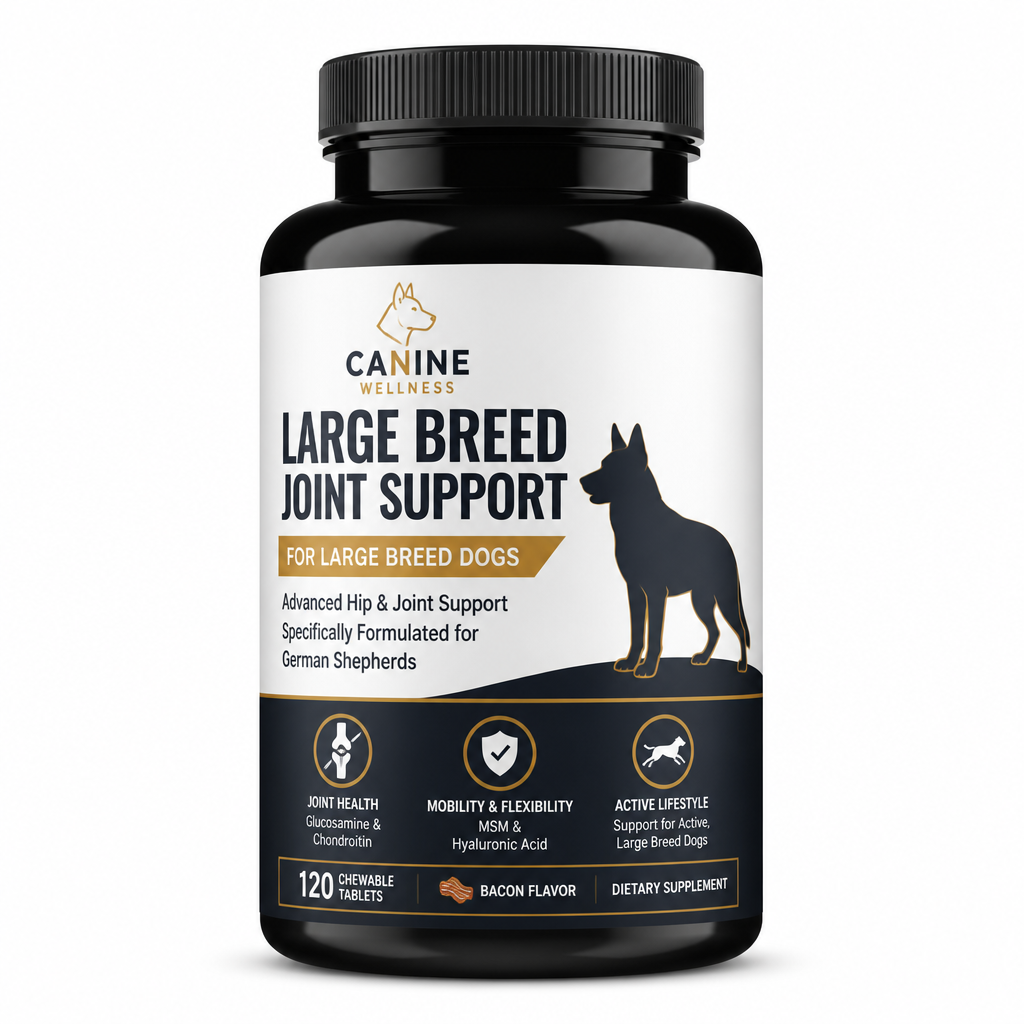
Joint Supplements for Large Breeds
High-potency glucosamine, chondroitin, and MSM supplement formulated for large breed dogs. Supports hip and joint health throughout your German Shepherd's life, particularly important given the breed's predisposition to hip and elbow dysplasia.
Best for: Mature adults (4+ years) and seniors; proactive use in younger dogs with family history of dysplasia
View on Amazon →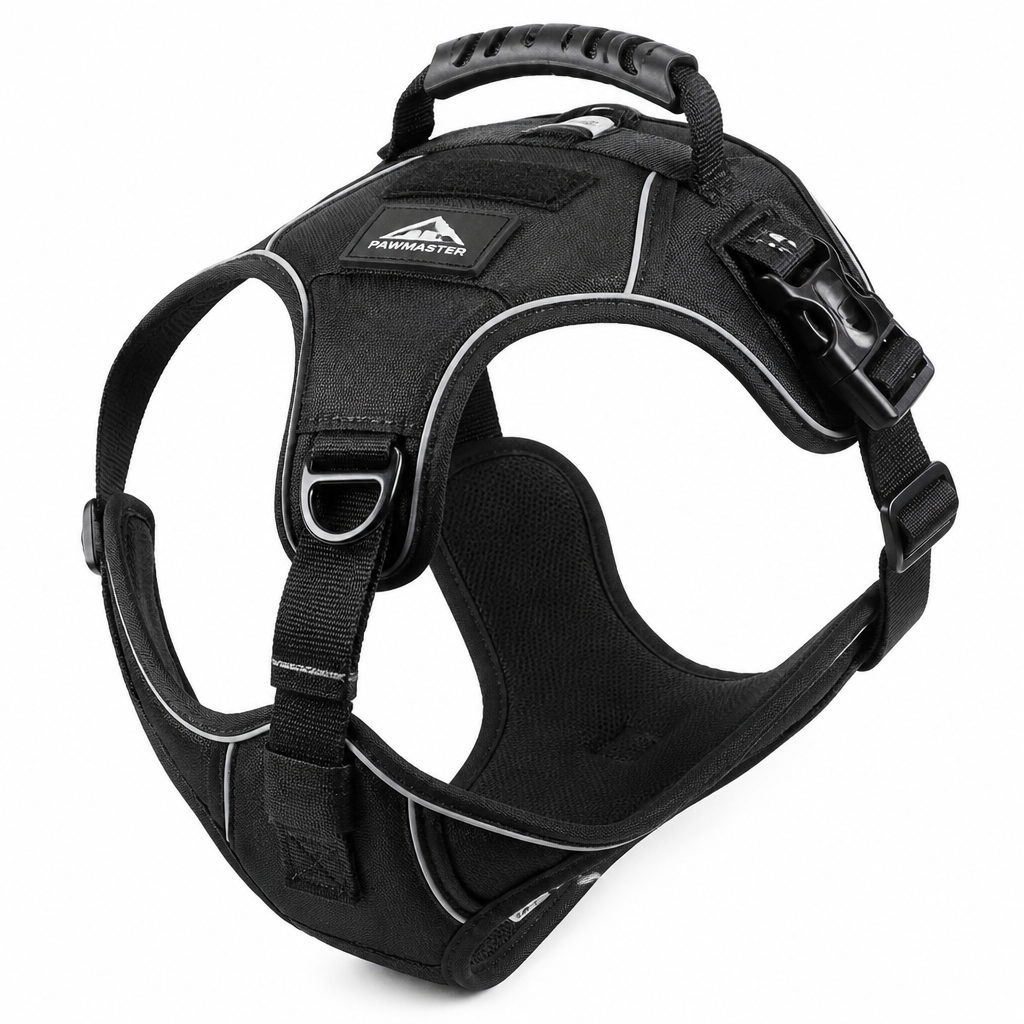
Professional Training Harness
Heavy-duty adjustable training harness designed for large, intelligent working breeds. Provides control during training sessions while ensuring comfort. Essential for German Shepherds engaged in obedience, agility, or working activities.
Best for: All ages—critical for working breed mental health and training
View on Amazon →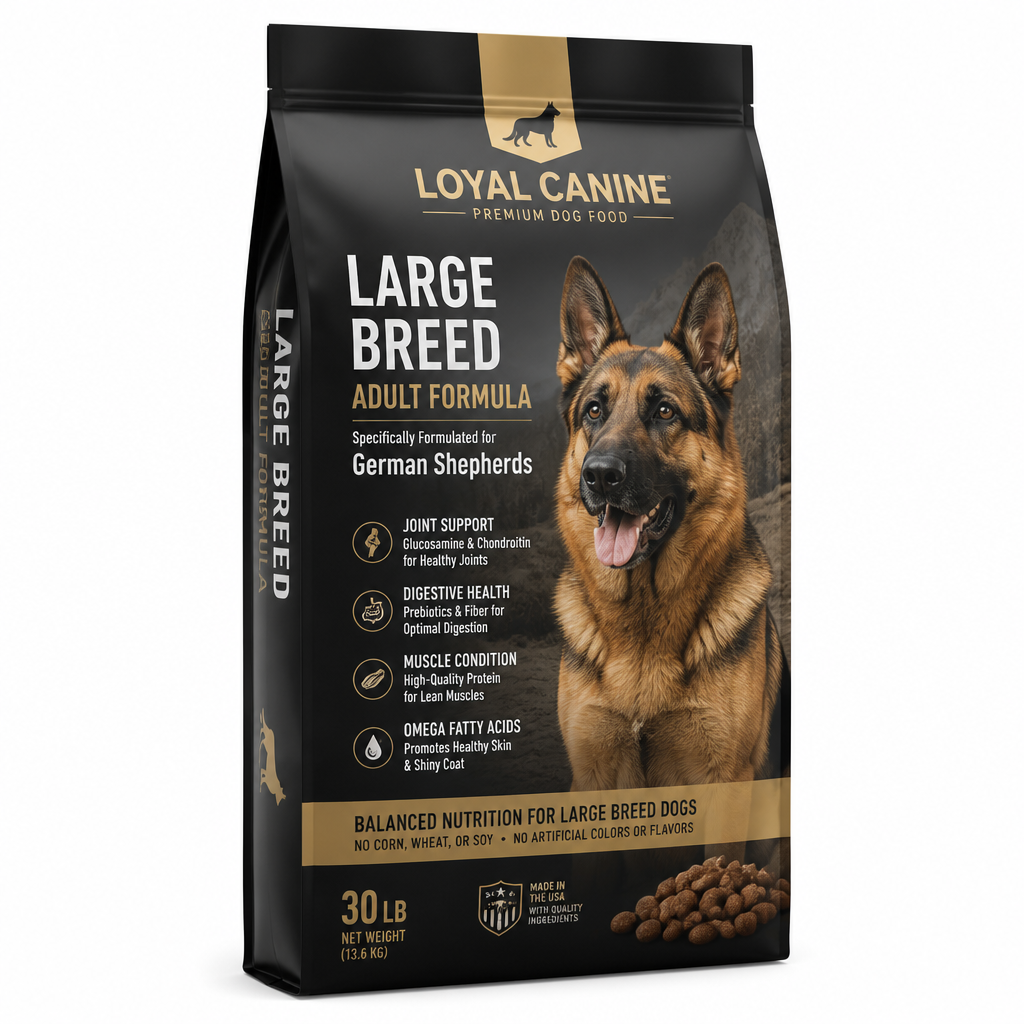
Large Breed Adult Dog Food
Premium large-breed formula with controlled calcium and phosphorus levels for proper bone development, glucosamine and chondroitin for joint support, and appropriate calorie density to maintain lean body condition. Essential for preventing obesity in food-motivated German Shepherds.
Best for: Adult German Shepherds (1-7 years)
View on Amazon →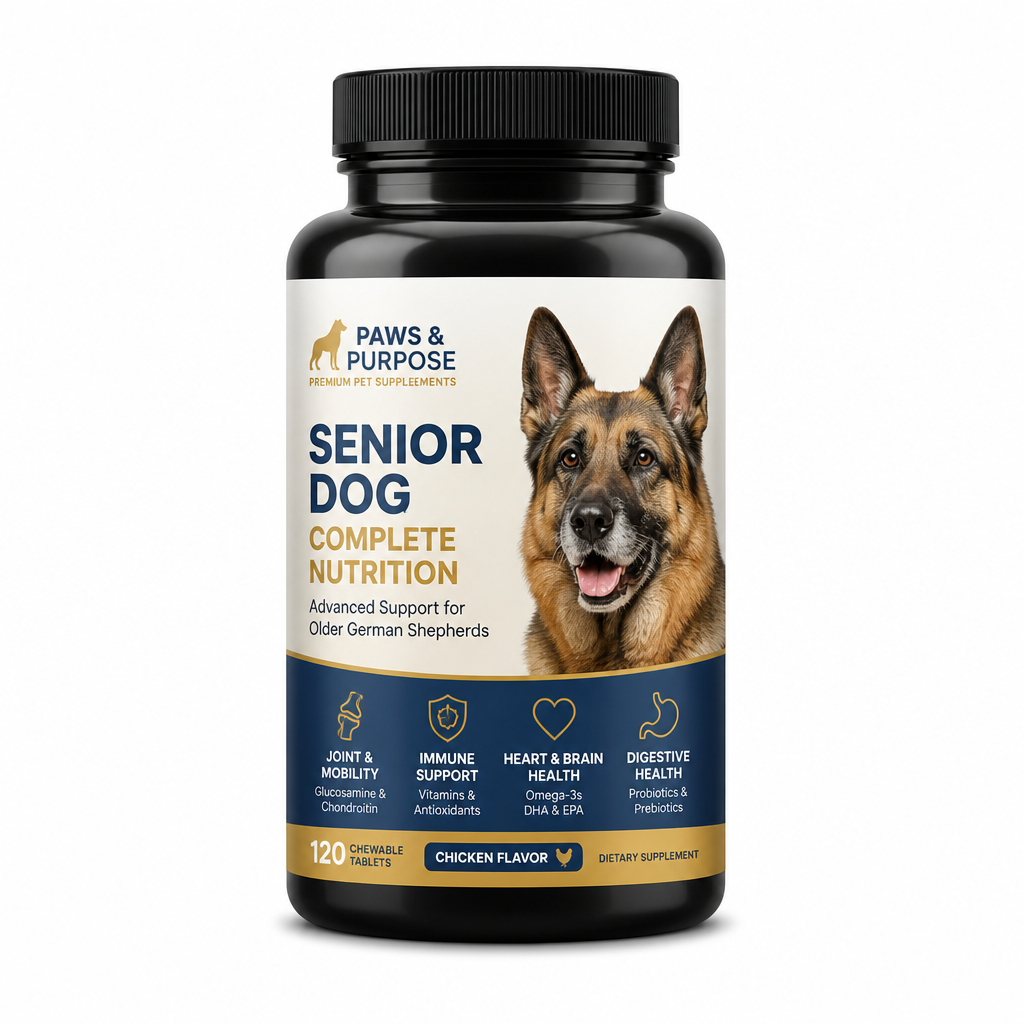
Senior Dog Complete Nutrition Supplement
Comprehensive senior formula with enhanced joint support, antioxidants for cognitive function, and adjusted nutrient levels for aging German Shepherds. Helps manage age-related changes and supports quality of life in senior years.
Best for: Senior German Shepherds (7+ years)
View on Amazon →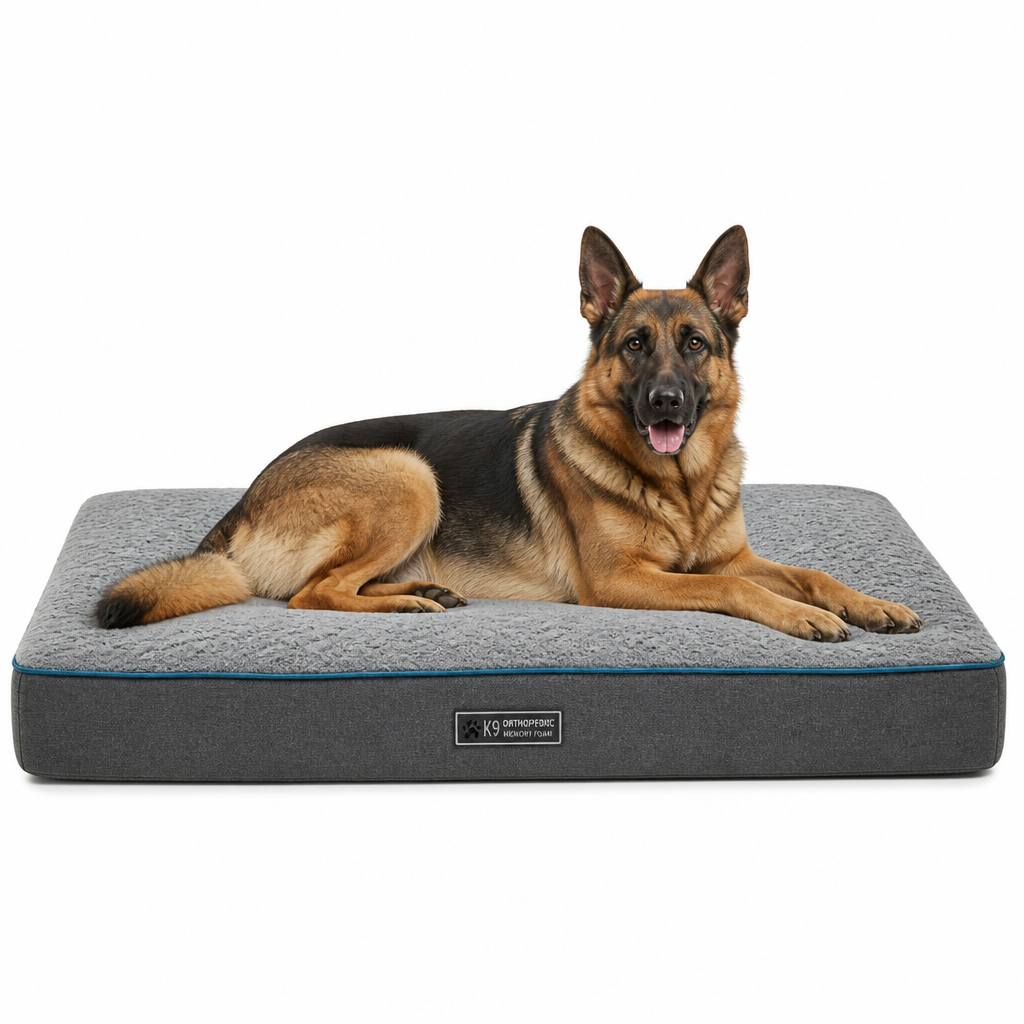
Orthopedic Memory Foam Dog Bed
Extra-large orthopedic bed with high-density memory foam designed for large breeds. Provides crucial joint support and pressure relief for German Shepherds, especially seniors or dogs with hip dysplasia, arthritis, or other mobility issues.
Best for: Senior and geriatric German Shepherds; dogs with joint issues
View on Amazon →Affiliate Disclosure: As an Amazon Associate, we earn from qualifying purchases. This doesn't affect our recommendations—we only suggest products we believe will genuinely benefit German Shepherd owners and their dogs.