Puppy Care Guide — Complete 2026 Guide for New Puppy Owners
From bringing your puppy home to their first year milestones. Learn about nutrition, training, health, and everything you need to raise a happy, healthy puppy.
Calculate Your Puppy's Age
Understanding the Puppy Stage (0-12 Months)
The puppy stage is the first year of a dog's life, a critical period for physical development, behavioral learning, and social bonding. This phase shapes your dog's health, temperament, and habits for life.
Puppy Development Stages
Neonatal Period (0-2 weeks)
Puppies are born blind and deaf, completely dependent on their mother. They spend 90% of their time sleeping and nursing. Early handling (gentle, brief) can improve stress tolerance later in life.
Transitional Period (2-4 weeks)
Eyes open around 2 weeks, ears open by 3 weeks. Puppies begin walking, barking, and interacting with littermates. This is when they start learning bite inhibition through play.
Socialization Period (3-14 weeks)
The most critical window for development. Puppies are highly receptive to new experiences. Proper socialization during this period prevents fear and aggression issues later. Expose them to various people, animals, sounds, and environments.
Juvenile Period (14 weeks - 6 months)
Rapid physical growth continues. Adult teeth begin erupting at 4 months. Puppy may test boundaries and exhibit increased independence. Consistent training is essential.
Adolescence (6-12 months)
Hormonal changes begin. May show rebellious behavior and selective hearing. Sexual maturity approaches. Continue training and consider spay/neuter timing with your vet.
Puppy Nutrition Requirements
Proper nutrition in the first year sets the foundation for lifelong health. Puppies have different dietary needs than adult dogs.
Mother's Milk vs. Formula Feeding
Ideal: Mother's milk provides perfect nutrition and antibodies. If the mother is unavailable, use high-quality puppy milk replacer (never cow's milk, which causes diarrhea).
Weaning Timeline
- 3-4 weeks: Introduce soft, moistened puppy food
- 6-8 weeks: Fully weaned, eating solid puppy food
Puppy Food Selection Criteria
| Nutrient | Minimum Requirement | Why It Matters |
|---|---|---|
| Protein | 22-32% | Muscle development, immune function |
| Fat | 10-25% | Energy, brain development, coat health |
| Calcium:Phosphorus | 1.2:1 to 1.4:1 | Bone development (avoid imbalances) |
| DHA | 0.05-0.1% | Brain and vision development |
Feeding Frequency by Age
| Age | Meals Per Day | Notes |
|---|---|---|
| 8-12 weeks | 4 | Small, frequent meals prevent hypoglycemia |
| 3-6 months | 3 | Adjust portion size as puppy grows |
| 6-12 months | 2 | Begin transitioning to adult food at 12 months (or 18-24 months for large breeds) |
Foods to Avoid
Dangerous Foods for Puppies
Never feed: Chocolate, grapes/raisins, onions/garlic, xylitol (artificial sweetener), avocado, alcohol, caffeine, macadamia nuts, cooked bones.
Training and Socialization
Early training and socialization prevent behavioral problems and create a well-adjusted adult dog.
Potty Training
Crate Training Method
Dogs naturally avoid soiling their sleeping area. Use a properly sized crate (enough to stand, turn, and lie down) when unsupervised. Take puppy outside immediately after:
- Waking up
- After meals
- After play sessions
- Every 1-2 hours initially
Basic Commands
Start with essential commands using positive reinforcement (treats, praise, play):
- Sit — Foundation for impulse control
- Stay — Safety command, prevents door dashing
- Come — Recall is crucial for safety
- Down — Calm behavior in exciting situations
- Leave it — Prevents eating dangerous items
Socialization Golden Period (3-14 weeks)
Critical Experiences Before 14 Weeks
- People: Men, women, children, people with hats/glasses, different ethnicities
- Animals: Vaccinated, friendly dogs; cats; other pets
- Environments: Different floor surfaces, stairs, car rides
- Sounds: Vacuum, traffic, fireworks recordings (at low volume), doorbells
- Handling: Touch paws, ears, mouth, tail (for vet exams and grooming)
Tip: After first vaccination, enroll in puppy socialization classes where puppies can interact safely.
Desensitization Training
Gradually expose your puppy to potentially frightening stimuli:
- Start at low intensity (quiet sounds, distant sights)
- Pair with positive experiences (treats, play)
- Gradually increase intensity over multiple sessions
- Never force interaction — let puppy approach at their own pace
Health and Vaccinations
Protecting your puppy's health through vaccinations, parasite prevention, and regular vet visits.
Vaccination Schedule
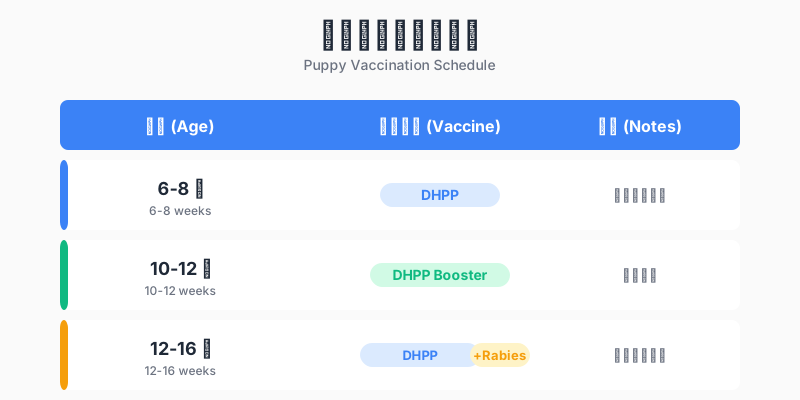
| Age | Vaccine | Protects Against |
|---|---|---|
| 6-8 weeks | DHPP (first dose) | Distemper, Hepatitis, Parainfluenza, Parvovirus |
| 10-12 weeks | DHPP (booster) | Booster immunity |
| 12-16 weeks | DHPP + Rabies | Final DHPP + legally required Rabies |
Deworming Schedule
Puppies often have roundworms from their mother. Deworm at 2, 4, 6, and 8 weeks, then monthly until 6 months.
Spay/Neuter Timing
When to Spay/Neuter
Timing varies by breed and size:
- Small breeds: 6-9 months (before first heat for females)
- Medium breeds: 9-12 months
- Large/Giant breeds: 12-18 months (allows proper joint development)
Consult your veterinarian for personalized recommendations based on breed, health, and lifestyle.
Common Puppy Diseases
Know the Signs
Parvovirus: Severe vomiting, bloody diarrhea, lethargy. Highly contagious, often fatal without treatment. Vaccination is essential.
Distemper: Fever, nasal discharge, coughing, seizures. No cure, prevention through vaccination.
Kennel Cough: Dry, hacking cough. Highly contagious in group settings. Vaccine available.
Daily Care and Grooming
Bathing
Frequency: Every 4 weeks or when dirty. Over-bathing strips natural oils.
Puppy-safe shampoo: Use mild, tearless puppy shampoo. Avoid human products.
Dental Care
Start Early
Introduce tooth brushing during the socialization period (8-16 weeks). Use dog-specific toothpaste (human toothpaste is toxic). Brush 2-3 times per week minimum.
Dental chews: Provide appropriate chews to reduce tartar, but avoid hard items that can fracture teeth (bones, antlers, ice cubes).
Nail Trimming
Trim every 3-4 weeks. Use puppy nail clippers and trim only the tip to avoid the quick (blood vessel). If you're unsure, ask your vet or groomer to demonstrate.
Ear Cleaning
Check ears weekly for redness, odor, or discharge. Clean with vet-approved ear cleaner. Floppy-eared breeds need more frequent cleaning.
Safety and Emergency Preparedness
Puppy-Proofing Your Home
Before Bringing Puppy Home
- Electrical cords: Use cord covers or bitter apple spray
- Toxic plants: Remove lilies, azaleas, tulips, sago palms
- Small objects: Pick up items puppy could swallow (coins, batteries, small toys)
- Chemicals: Store cleaning products, medications out of reach
- Trash cans: Use secure lids or keep in cabinets
Car Safety
Use a crash-tested dog seatbelt harness, travel crate, or barrier. Never let puppy ride loose or in the front seat (airbag danger).
Emergency Kit
Puppy First Aid Kit Essentials
- Veterinary emergency contact numbers
- Hydrogen peroxide 3% (for inducing vomiting — only under vet guidance)
- Digital thermometer
- Gauze, bandages, adhesive tape
- Antiseptic wipes
- Tweezers (for splinters, ticks)
- Styptic powder (for nail bleeding)
When to Call the Vet Immediately
- Vomiting or diarrhea for more than 24 hours
- Blood in vomit or stool
- Lethargy or refusal to eat for more than 12 hours
- Difficulty breathing
- Seizures
- Suspected poisoning (call Pet Poison Helpline: 1-855-764-7661)
Puppy Growth Milestones (0-12 Months)
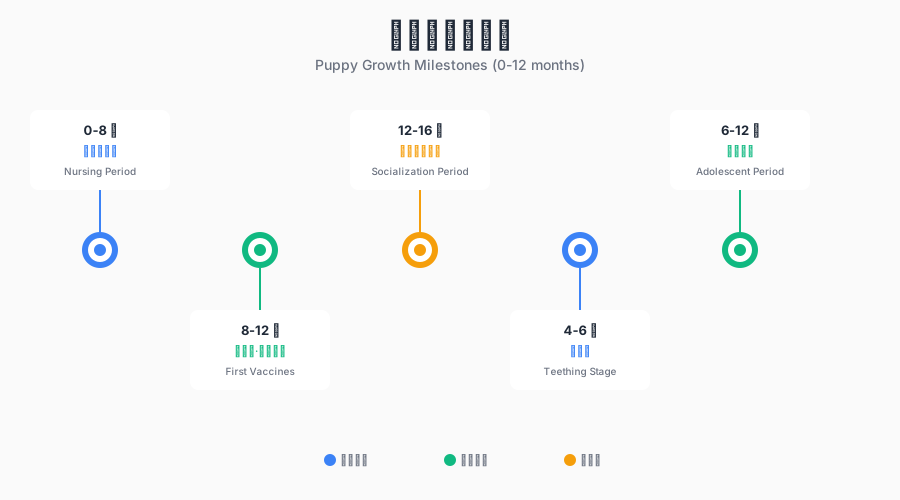
0-8 Weeks
- Nursing period with mother
- Initial socialization with littermates
- First vet check at 6-8 weeks
- Ready to go home at 8 weeks
8-12 Weeks
- Bring puppy home
- First vaccinations (DHPP)
- Begin potty and crate training
- Socialization golden period
12-16 Weeks
- Socialization golden period continues
- Basic obedience training
- Final DHPP + Rabies vaccination
- Can start controlled outdoor walks
4-6 Months
- Teething period (provide chew toys)
- Continue vaccination boosters
- Increase training duration
- Rapid physical growth
6-12 Months
- Adolescent phase
- Discuss spay/neuter timing with vet
- Transition to adult dog food (12 months, or 18-24 months for large breeds)
- Continue training for reliable recall
Recommended Products for New Puppy Owners
Quality products make puppy care easier and safer. Here are our top recommendations.
Premium Puppy Food
High-quality puppy kibble with 28%+ protein and DHA for brain development. Look for AAFCO certification for growth.
View on AmazonPuppy Crate
Wire or plastic crate with divider panel to adjust size as puppy grows. Essential for potty training and safe confinement.
View on AmazonTraining Treats
Small, soft treats for training rewards. Choose low-calorie options to avoid overfeeding during frequent training sessions.
View on AmazonPee Pads
Washable or disposable potty pads for indoor training. Helpful for apartment living or during bad weather.
View on AmazonPuppy Chew Toys
Teething toys, Kong toys, and safe chew bones. Rotate toys to maintain interest. Avoid rawhide and cooked bones.
View on AmazonDental Care Kit
Puppy toothbrush, dog-safe toothpaste, and dental chews. Starting early makes lifetime dental care easier.
View on AmazonFrequently Asked Questions
How old should a puppy be before bringing it home?
Puppies should be at least 8 weeks old before leaving their mother. This ensures proper socialization with littermates and adequate weaning time. Some states have laws requiring 8 weeks minimum. Puppies taken too early may develop behavioral issues.
How much sleep does a puppy need?
Puppies sleep 15-20 hours per day. Sleep is essential for brain development and growth. Don't disturb a sleeping puppy — they need the rest. Create a quiet, comfortable sleeping area.
How much should I feed my puppy?
Follow the feeding guide on your puppy food package, adjusting based on your puppy's body condition. Puppies should have a visible waist when viewed from above. Ribs should be easily felt but not visible. Consult your vet for personalized guidance.
How do I potty train my puppy?
Key steps:
- Take outside every 1-2 hours initially
- Always go outside after meals, naps, and play
- Use the same door and spot outside
- Praise and treat immediately after they go
- Crate when unsupervised (dogs avoid soiling their bed)
- Clean accidents with enzymatic cleaner to remove odor
- Never punish accidents — this creates fear, not learning
What vaccinations does my puppy need?
Core vaccines:
- DHPP — Distemper, Hepatitis, Parainfluenza, Parvovirus (series of 3-4 shots starting at 6-8 weeks)
- Rabies — Legally required, given at 12-16 weeks
Optional (based on lifestyle): Bordetella (kennel cough), Leptospirosis, Lyme, Canine Influenza. Discuss with your vet.
Can I give my puppy a bath?
Yes, but wait until after the first vaccination (around 8-10 weeks) and keep them warm. Use puppy-specific shampoo. Bathing too frequently can dry out their skin. Every 4 weeks or when dirty is usually sufficient.
How do I choose the right puppy food?
Look for:
- AAFCO statement for "growth" or "all life stages"
- Protein: 22-32% (higher for active breeds)
- Fat: 10-25%
- DHA for brain development
- Named meat as first ingredient (not "meat by-product")
Avoid foods with excessive fillers (corn, wheat, soy) as primary ingredients.
My puppy is biting — what should I do?
Puppy biting is normal exploration and teething behavior, but should be redirected:
- Yelp "Ouch!" and stop interaction when teeth touch skin
- Redirect to appropriate chew toys
- Ensure puppy gets enough exercise and mental stimulation
- Never use hands as toys during play
- Biting should decrease significantly by 6 months
If biting is aggressive (growling, stiff body), consult a professional trainer.
When can I take my puppy outside?
Before full vaccination: Carry puppy in your arms or a sling. Safe for controlled socialization experiences.
After first vaccination (around 10-12 weeks): Can walk in low-risk areas (avoid dog parks, high-traffic dog areas). Enroll in puppy classes with vaccination requirements.
After final vaccination (around 16 weeks): Full outdoor freedom. Wait 1-2 weeks after final vaccine for full immunity.
Does my puppy need to be spayed/neutered?
Spaying/neutering prevents unwanted litters and reduces certain health risks (mammary cancer, uterine infections, testicular cancer). However, timing matters:
- Small breeds: 6-9 months
- Large breeds: 12-18 months (allows proper joint development)
Discuss with your vet to weigh benefits and timing for your puppy's breed and health.
How do I handle separation anxiety?
Prevention and management:
- Practice leaving for short periods (5-10 minutes) from day one
- Don't make a big deal of departures or arrivals
- Leave puzzle toys or Kongs stuffed with treats
- Gradually increase alone time
- Crate training provides a safe, comfortable space
- Exercise before leaving helps them rest while you're gone
For severe anxiety, consult your vet or a professional behaviorist.
What should I do during teething?
Teething occurs around 4-6 months. You may find baby teeth on the floor or see bleeding gums.
Provide relief:
- Frozen Kong toys or ice cubes (supervise)
- Frozen wet washcloth
- Soft chew toys
- Redirect chewing from furniture/toys to appropriate chews
Adult teeth should all be in by 6-7 months.
Related Resources
Dog Age Calculator
Calculate your puppy's age in human years
Labrador Age Calculator
Labrador-specific age conversion
Golden Retriever Calculator
Golden Retriever age calculator
German Shepherd Calculator
German Shepherd age calculator
Dog Life Stages
Understanding all life stages from puppy to senior
Dog Age Chart
Complete dog age comparison table