Beagle Age Calculator - Convert Beagle Years to Human Years
Use this Beagle age calculator to estimate your dog's age in human years, understand what life stage they are in, and adjust care as they grow from energetic puppy to senior scent hound.
See Your Beagle's Age in Human Years and What That Means for Daily Care
Beagles age faster than people in the first two years, then settle into a medium-dog aging pattern for the rest of adulthood. That means the old "1 dog year equals 7 human years" rule does not tell the full story. A Beagle puppy develops quickly, a 5-year-old Beagle is already in mature adulthood, and a senior Beagle may need different exercise, feeding, ear care, and joint support than they did just a few years earlier.
This page helps owners convert Beagle years to human years using a medium-breed framework that fits most adult Beagles. It also explains what those numbers mean in real life: when to watch weight more closely, when to start senior wellness habits, and how to support a breed that is curious, food-motivated, and built to follow its nose.
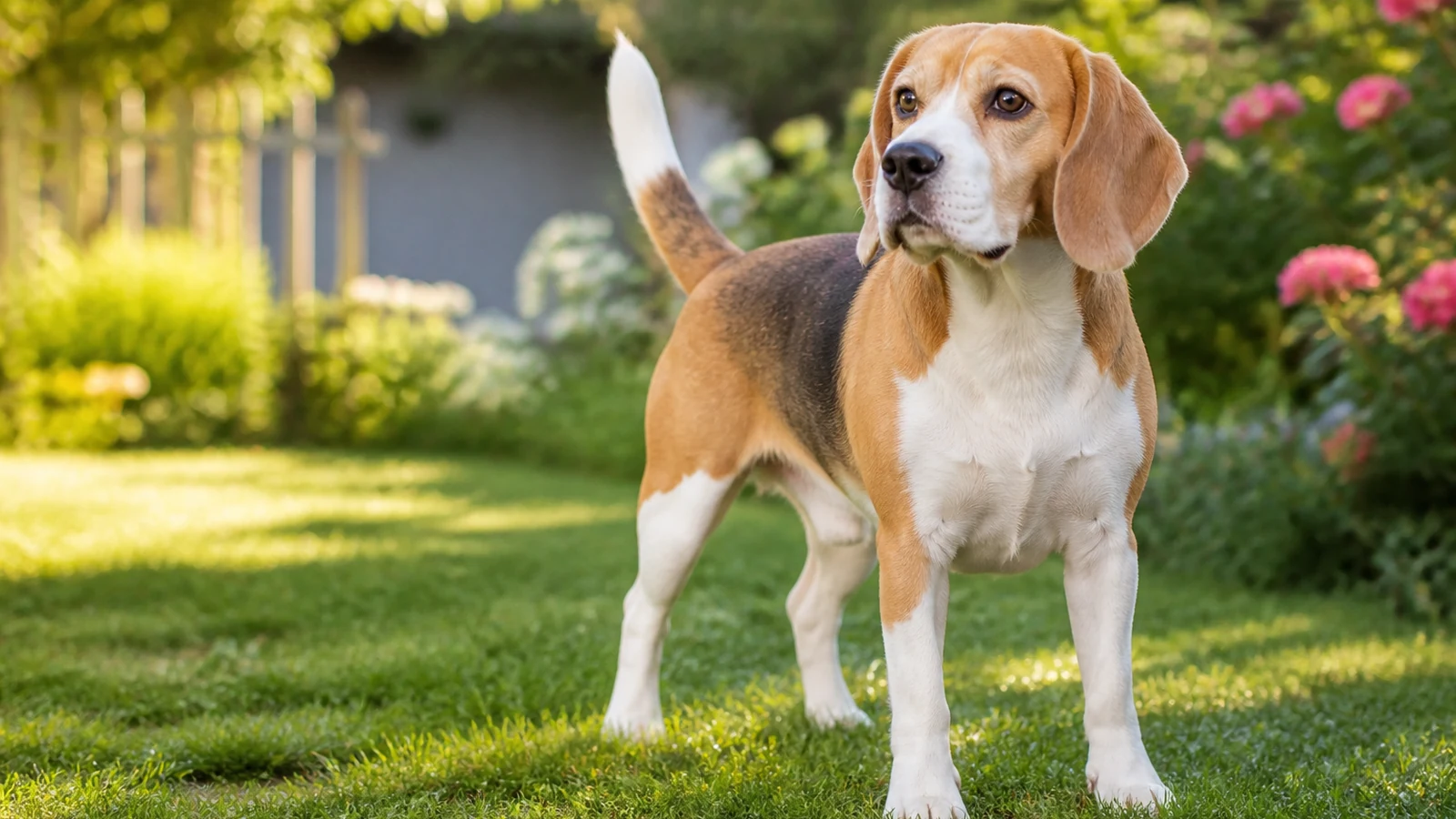
Beagle Breed Overview
The Beagle is a friendly, curious, merry hound bred to hunt by scent in packs. AKC breed guidance highlights their outgoing temperament and strong nose, and those traits shape how Beagles age at home. They usually stay playful and highly food-motivated well into adulthood, which owners often love, but that same appetite can make weight gain a long-term health risk.
Average Lifespan: 10-15 Years
Most Beagles are considered a medium breed and commonly live around 10 to 15 years, with many owners expecting roughly 12 to 15 years under good care. They are usually seen in two height classes, under 13 inches and 13 to 15 inches, but both still fall into a similar medium-size lifestyle profile for this calculator. Because they are compact rather than tiny, their aging curve is different from toy breeds that often stay youthful longer.
Why Size and Breed Traits Matter for Aging
Beagles do not age based on size alone. Their breed tendencies also matter:
- Weight sensitivity: Beagles are famously enthusiastic eaters. Even moderate extra weight can add stress to joints, reduce stamina, and increase the strain of aging.
- Ear structure: Their drop ears trap moisture and reduce airflow, so ear care becomes more important over time.
- High scent drive: Beagles often stay mentally busy and curious, which means senior dogs still need enrichment even if physical exercise becomes gentler.
- Pack-oriented temperament: Many Beagles do poorly with boredom, isolation, or sudden routine changes, especially as they enter middle age and senior years.
Common Senior Health Concerns in Beagles
Older Beagles often need closer monitoring for obesity, arthritis, reduced mobility, dental disease, chronic ear problems, and age-related vision or hearing changes. Some also develop hypothyroidism or show slower recovery after exercise. A senior Beagle that gains weight, sleeps more, hesitates on stairs, scratches at the ears, or becomes less interested in walks may be showing normal aging, but those changes still deserve a veterinary conversation.
Why Decline Can Be Easy to Miss
One Beagle-specific challenge is that owners may miss early decline because the breed often stays cheerful, social, and food-focused even when something is starting to hurt. A dog that still wags for dinner may still have sore joints, chronic ear irritation, or reduced stamina. That is why routine observation matters so much with this breed.
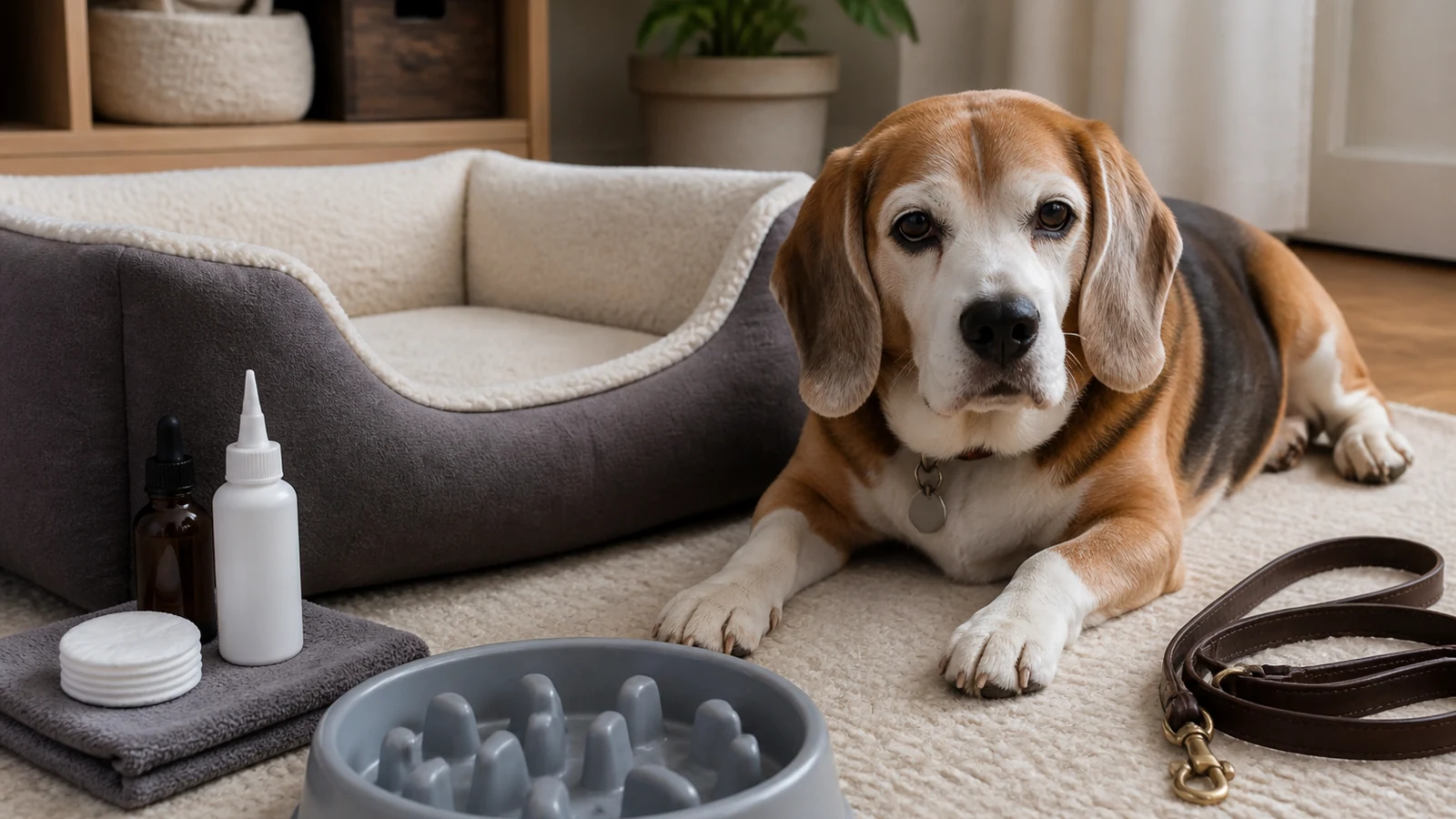
Care Priorities by Age
For puppies and juniors (0-2 years)
The priority is building lean body condition, training recall and leash manners, and providing safe scent-based enrichment. This is the best stage to build healthy feeding habits, prevent excess weight gain, and teach routines that make lifelong care easier, including ear checks, tooth brushing, nail trims, crate time, and calm leash walking.
For adult and mature Beagles (3-6 years)
Owners should watch calories, maintain regular exercise, and keep up with ear cleaning, nail trims, and dental care. Because Beagles are so food-motivated, treat habits can quietly shape future health. Pair rewards with measured portions, active play, and training structure rather than constant free treats.
For senior and geriatric Beagles (7+ years)
Comfort becomes the goal: shorter but consistent walks, easier access to favorite resting spots, more frequent wellness exams, and early support for joints, hearing, and weight control. A Beagle that stays lean and mentally engaged often handles aging better than one that becomes sedentary and overweight. Measured meals, consistent routines, traction on slippery floors, and regular ear checks often do more for long-term comfort than occasional big changes.
Beagle Age to Human Years Chart
Most Beagles are best mapped to the medium-dog age curve. The first dog year counts as about 15 human years, the second brings the total to about 24, and after that each additional year adds about 5 human years for a typical medium breed. This method is much more useful than the old multiply-by-7 rule because dogs mature very quickly early in life and then age at different rates depending on adult size.

| Beagle Age | Human Age | Life Stage |
|---|---|---|
| 1 year | 15 | Junior |
| 2 years | 24 | Young Adult |
| 3 years | 29 | Adult |
| 4 years | 34 | Adult |
| 5 years | 39 | Mature Adult |
| 6 years | 44 | Mature Adult |
| 7 years | 49 | Senior Transition |
| 8 years | 54 | Senior |
| 9 years | 59 | Senior |
| 10 years | 64 | Senior |
| 11 years | 69 | Geriatric |
| 12 years | 74 | Geriatric |
| 13 years | 79 | Advanced Senior |
| 14 years | 84 | Advanced Senior |
| 15 years | 89 | Exceptional Longevity |
Small vs Medium vs Large Dog Comparison
| Dog Age | Small Dogs (<20 lbs) | Medium Dogs (20-50 lbs) | Large Dogs (50-90 lbs) |
|---|---|---|---|
| 1 year | 15 | 15 | 15 |
| 2 years | 24 | 24 | 24 |
| 5 years | 36 | 39 | 42 |
| 8 years | 48 | 54 | 60 |
| 10 years | 56 | 64 | 72 |
| 12 years | 64 | 74 | 84 |
Beagle Life Stages and Care Guidance
Puppy and Junior Stage: 0 to 2 Years
Beagles in their first two years are growing quickly, learning boundaries, and burning energy through play, walks, and scent work. This is the best stage to build healthy feeding habits, prevent excess weight gain, and teach routines that make lifelong care easier, including ear checks, tooth brushing, nail trims, crate time, and calm leash walking.
Because Beagles are so food-motivated, this is also the stage when treat habits can quietly shape future health. Owners should pair rewards with measured portions, active play, and training structure rather than constant free treats.
Adult and Mature Stage: 3 to 6 Years
Most adult Beagles still have plenty of stamina, but this is the stage where owners should stop assuming "active" always means "healthy." If a Beagle is constantly hungry, gets too many treats, or lacks enough daily movement, weight can creep up quietly. Keep exercise regular, use puzzle feeding or sniff walks for mental work, and pay attention to recovery after activity.
This stage is also a good time to tighten up preventive habits. Annual wellness checks, dental care, body-condition tracking, and ear maintenance are often what separate a fit senior Beagle from one that begins old age already overweight and uncomfortable.
Senior and Geriatric Stage: 7+ Years
Around age 7 or 8, many Beagles benefit from senior-style care even if they still seem cheerful and social. Older dogs may need gentler exercise, softer beds, slower feeders, and more frequent veterinary checkups. Stiffness, reduced hearing, cloudy eyes, chronic ear debris, dental discomfort, and weight gain are all common reasons to adjust care. The goal is not to stop activity but to make activity easier to sustain.
Mental enrichment still matters here. Senior Beagles often enjoy sniff games, food puzzles, and short neighborhood walks just as much as younger dogs, even if the pace is slower. Keeping the nose and brain engaged can help preserve routine, confidence, and overall quality of life.
Recommended Products for Beagle Care
The best Beagle products support routine care, healthy weight, and safe activity without promising medical outcomes. The right mix can make day-to-day life easier and more comfortable, especially as your Beagle moves into middle age and senior years.
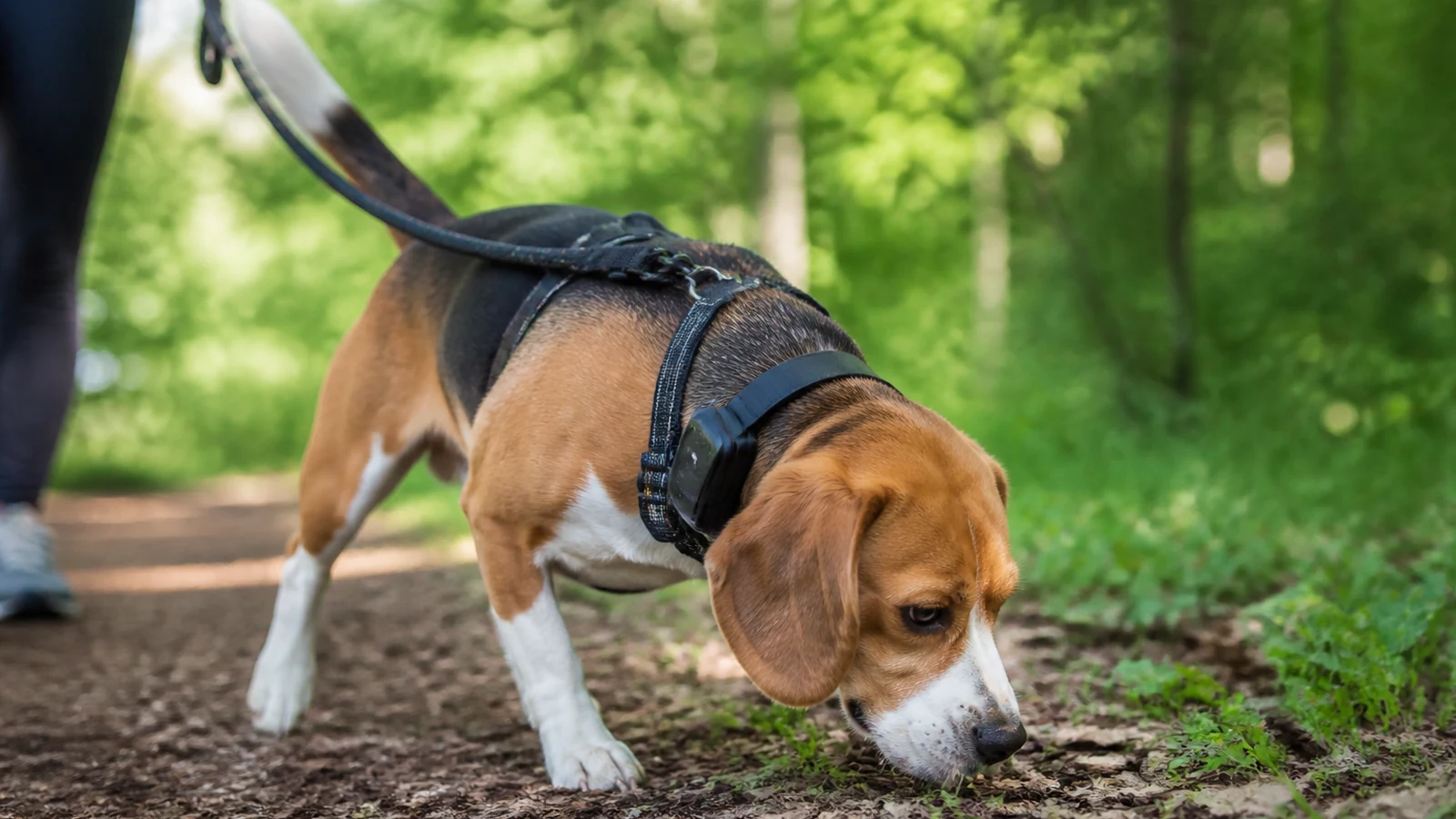
Enrichment Feeders & Scent Work Gear
Supports a scent-driven breed that needs chewing and mental work. Pairs puzzle feeders and snuffle mats with measured portions so Beagles get the mental challenge they love without the extra calories.
- Puzzle feeder or snuffle mat
- Slow feeder bowl for fast eaters
- Measured treat pouch for training rewards
Best for: Beagles of all ages that eat too quickly, gain weight easily, or need extra mental stimulation
View on Amazon →
Ear Care Kit
Beagle drop ears trap moisture and reduce airflow, making routine ear observation and cleaning especially useful over a lifetime. A vet-approved ear cleaner and soft wipes can make weekly checks quick and comfortable.
- Vet-approved ear cleaning solution
- Soft cotton wipes or pads
- Grooming basics for routine checks
Best for: Beagles with chronic ear debris, moisture after baths or swimming, or a history of ear irritation
View on Amazon →
Orthopedic Bed & Joint Support
Reduces pressure on shoulders, elbows, hips, and spine for mature and senior Beagles. Pairs a high-density memory foam bed with non-slip runners and vet-guided joint support for comfort.
- Orthopedic memory foam bed
- Non-slip floor runners or traction mats
- Vet-guided joint support supplement (glucosamine, chondroitin, MSM, or omega-3s)
Best for: Mature and senior Beagles showing stiffness, slower rising, or less confidence on slick floors
View on Amazon →Everyday Beagle Comfort Essentials
Best fit: All ages, especially households managing weight, ear care, or senior comfort.
- GPS collar or tracking tag for a breed known to follow scent trails and wander if given the chance
- Slow feeder bowl for dogs that eat too fast
- Weight-management or senior-support food when advised by your vet
- Calm, consistent walking gear for leash manners and recall training
Affiliate Disclosure: We may earn a commission from qualifying purchases. Product suggestions are for everyday care and convenience and are not a substitute for veterinary diagnosis or treatment.
Health Disclaimer: This content is for educational purposes only and does not diagnose disease, prescribe treatment, or replace veterinary care. Do not use this page for drug dosing, emergency decisions, or diagnosis. If your Beagle shows pain, sudden weight change, breathing trouble, repeated ear problems, collapse, or major behavior changes, contact your veterinarian.
Frequently Asked Questions About Beagle Age
How long do Beagles usually live?
Is a Beagle a small or medium dog for age calculations?
How old is a 5-year-old Beagle in human years?
How old is a 10-year-old Beagle in human years?
At what age is a Beagle considered a senior?
Why is the 1 dog year equals 7 human years rule wrong?
What health issues are common in older Beagles?
What helps a senior Beagle stay comfortable?
Do Beagles need less exercise as they age?
Should I change my Beagle's food with age?
Why are ear checks so important for Beagles?
What is the best way to help a Beagle age well?
References and Further Reading
- American Kennel Club. Beagle Dog Breed Information. https://www.akc.org/dog-breeds/beagle/
- American Veterinary Medical Association. Senior Pets. https://www.avma.org/resources-tools/pet-owners/petcare/senior-pets
- American Animal Hospital Association. 2023 AAHA Senior Care Guidelines for Dogs and Cats. https://www.aaha.org/resources/2023-aaha-senior-care-guidelines-for-dogs-and-cats/
- Cornell University Riney Canine Health Center. Hypothyroidism. https://www.vet.cornell.edu/departments-centers-and-institutes/riney-canine-health-center/canine-health-information/hypothyroidism
- ASPCA. Dog Care: Senior Dog Care. https://www.aspca.org/pet-care/dog-care/senior-dog-care
Related Dog Age Calculators
Dog Age Calculator
General dog age calculator for all breeds.
Labrador Calculator
Age calculator for Labrador Retrievers.
Golden Retriever Calculator
Age calculator for Golden Retrievers.
German Shepherd Calculator
Age calculator for German Shepherds.
Bulldog Calculator
Age calculator for Bulldogs.
Beagle Calculator
Age calculator for Beagles.