Bulldog Age Calculator — How Old Is Your Bulldog in Human Years?
Calculate your Bulldog's age in human years with a science-backed formula specifically calibrated for medium breeds. Get instant results with life stage and brachycephalic-specific health tips.
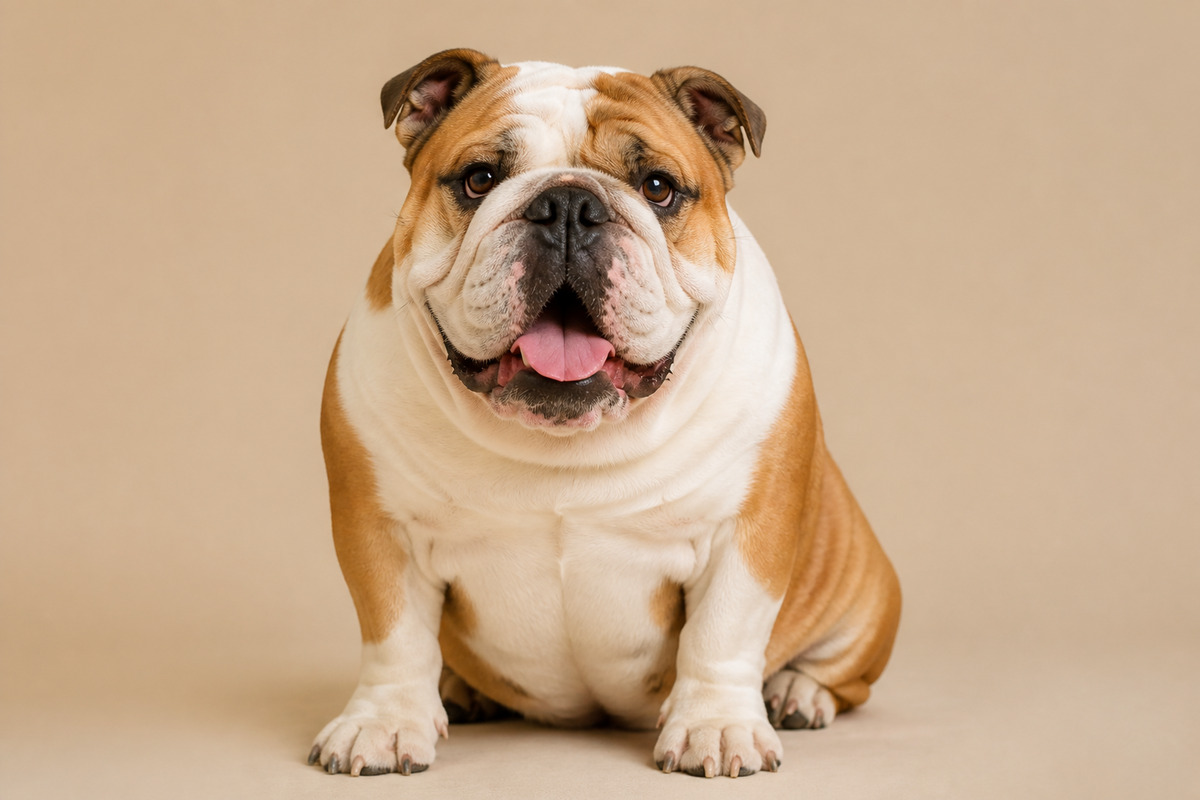
Understanding Your Bulldog's Lifespan
English Bulldogs have a shorter lifespan than most medium-sized breeds, typically living 8 to 10 years. This is significantly below the average for medium breeds (11-14 years), primarily due to the breed's unique physical characteristics shaped by decades of selective breeding.
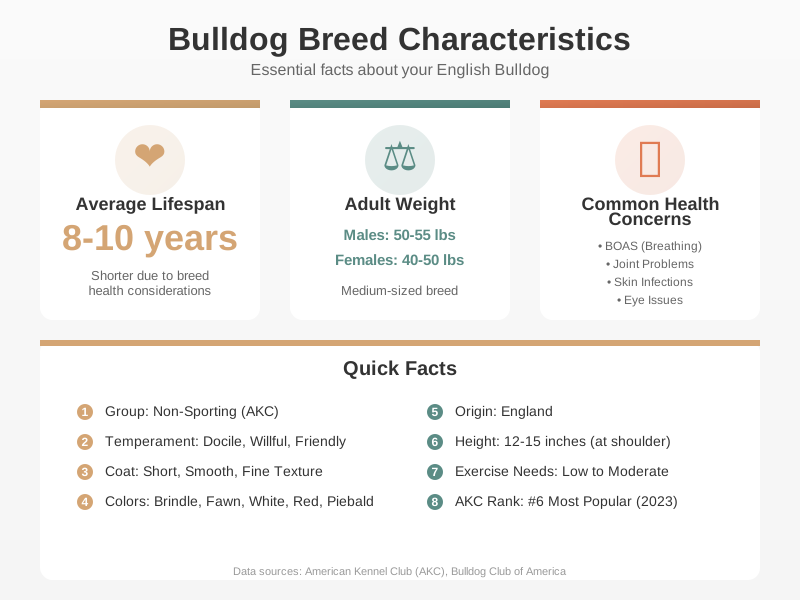
Average Lifespan: 8-10 Years
According to a 2022 UK Royal Veterinary College mortality study, the median Bulldog lifespan is just 8.4 years—among the shortest of any companion breed. Understanding this reality helps owners make informed decisions about preventive care and lifestyle management.
Why Bulldogs Have Shorter Lifespans
The Bulldog's distinctive appearance—flat face, broad chest, short legs, and prominent underbite—results from breeding for specific physical traits. While these features give Bulldogs their characteristic "sourmug" look, they also contribute to several health challenges including brachycephalic anatomy, chondrodysplasia, skin folding, and compact body structure.
Size Classification: Medium Breed
Bulldogs are classified as medium-sized dogs, weighing 40-50 pounds for males and 34-44 pounds for females. This size category affects how we calculate their age in human years—medium breeds age at a different rate than small or large breeds.
Bulldog Age to Human Years Conversion Chart
Bulldogs fall into the "Medium" category (40-50 lbs). The most accurate way to calculate your Bulldog's age uses the AVMA and AKC-validated formula:
- Year 1: 15 human years
- Year 2: +9 human years (total: 24)
- Each year after 2: +5 human years
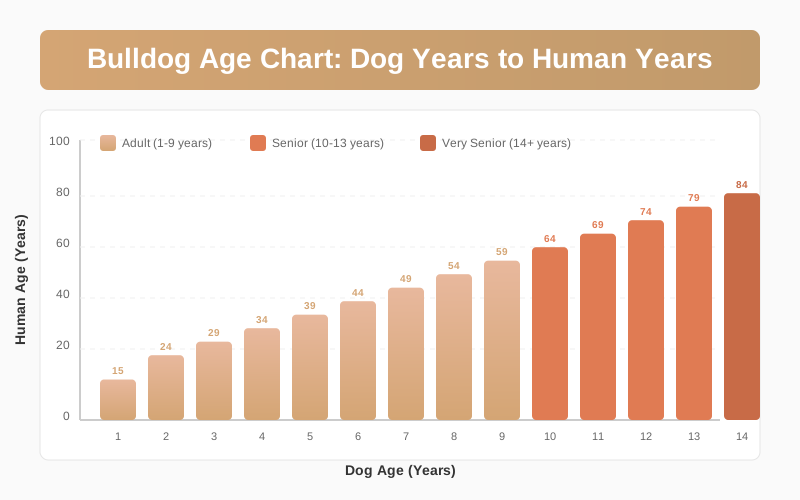
| Dog Age | Human Years | Life Stage |
|---|---|---|
| 1 year | 15 years | Puppy/Junior |
| 2 years | 24 years | Young Adult |
| 3 years | 29 years | Adult |
| 4 years | 34 years | Adult |
| 5 years | 39 years | Mature Adult |
| 6 years | 44 years | Mature Adult |
| 7 years | 49 years | Senior |
| 8 years | 54 years | Senior |
| 9 years | 59 years | Senior |
| 10 years | 64 years | Geriatric |
Bulldog-Specific Age Considerations
While the standard medium-breed formula applies to Bulldogs, several breed-specific factors can influence how your individual Bulldog ages:
- Body Condition Score (BCS): Bulldogs kept at a lean body condition (BCS 4-5/9) routinely outlive the average by 1-2 years. Weight management is critical for this breed.
- Respiratory Health: Bulldogs with well-managed brachycephalic obstructive airway syndrome (BOAS) often maintain better activity levels and quality of life into their senior years.
- Joint Health: Hip dysplasia is extremely common in Bulldogs—the Orthopedic Foundation for Animals (OFA) consistently reports Bulldogs as having the highest rate of any breed. Dogs with better joint health tend to stay more active, which supports overall longevity.
- Dental Care: Regular dental care from puppyhood can add years to a Bulldog's life by preventing systemic inflammation and organ stress.
Bulldog Life Stages and Care Guide
Puppy Stage (0-1 year, 0-15 human years)
Bulldog puppies grow rapidly but require careful management:
- Nutrition: High-quality puppy food formulated for medium breeds
- Exercise: Short, supervised play sessions—avoid overexertion
- Socialization: Critical period for introducing new experiences, people, and sounds
- Health screenings: Early assessment for congenital issues
- Temperature control: Puppies are especially sensitive to heat
Young Adult (1-3 years, 15-29 human years)
This is your Bulldog's prime—young adulthood is when they're most active and energetic:
- Weight management: Establish healthy eating patterns now
- Training: Bulldogs respond well to positive reinforcement; they can be stubborn but are highly food-motivated
- Exercise: Daily walks of 20-30 minutes, avoiding hot weather
- Health baseline: Establish regular vet checkups and dental cleaning routine
Mature Adult (3-6 years, 29-44 human years)
Your Bulldog is settling into their adult personality and routine:
- Monitor weight gain: Metabolism slows; adjust food intake as needed
- Joint support: Consider joint supplements; watch for early signs of arthritis
- Respiratory monitoring: Pay attention to breathing changes, snoring intensity, or exercise intolerance
- Skin care: Regular cleaning of facial folds and tail pocket
Senior Years (6-10 years, 44-64 human years)
Bulldogs typically enter senior status around 6-7 years, earlier than many other medium breeds:
- Semi-annual vet visits: More frequent health monitoring
- Pain management: Watch for mobility changes; arthritis is common
- Cognitive health: Mental enrichment becomes increasingly important
- Comfort modifications: Orthopedic beds, ramps instead of stairs
- End-of-life planning: Quality of life assessments become relevant
Geriatric (10+ years, 64+ human years)
Bulldogs reaching 10+ years are exceeding the breed average—every additional month is a gift:
- Gentle care focus: Prioritize comfort and quality of life
- Pain management: Work with your vet on appropriate interventions
- Adaptive care: Adjust routine to accommodate mobility limitations
- Cherish every moment: Focus on activities your senior Bulldog still enjoys
Common Bulldog Health Issues by Age
Respiratory Problems (All Ages)
Brachycephalic Obstructive Airway Syndrome (BOAS) affects the majority of Bulldogs to some degree. This condition includes stenotic nares (narrowed nostrils), elongated soft palate, and everted laryngeal saccules.
Warning signs:
- Noisy breathing, snorting, or wheezing
- Exercise intolerance
- Difficulty breathing in warm weather
- Gagging or retching when swallowing
- Blue-tinged gums (seek immediate veterinary care)
Management: Keep your Bulldog at a healthy weight, avoid hot weather, use a harness instead of a collar, and discuss surgical options with your vet if symptoms are severe.
Joint Problems (Adults and Seniors)
Bulldogs have among the highest rates of hip dysplasia of any breed. Additional joint concerns include elbow dysplasia, knee problems, and arthritis.
Prevention and management: Maintain lean body weight, provide joint supplements (glucosamine, omega-3s), avoid excessive jumping, and consider physical therapy or hydrotherapy.
Skin Conditions (All Ages)
The Bulldog's characteristic wrinkles create pockets where moisture, bacteria, and yeast can thrive, leading to facial fold dermatitis, tail pocket infections, allergic dermatitis, and hot spots.
Daily care routine: Clean wrinkles with pet-safe wipes, dry thoroughly, and apply protective barrier creams if recommended by your vet.
Eye Problems (Adults and Seniors)
Bulldogs' prominent eyes make them susceptible to cherry eye, dry eye (Keratoconjunctivitis sicca), corneal ulcers, and entropion (eyelids rolling inward). Regular eye exams and prompt treatment of any redness or discharge are essential.
Caring for Your Aging Bulldog
Nutrition for Senior Bulldogs
- Reduced calories: Senior Bulldogs are less active and prone to weight gain
- Joint-support ingredients: Look for foods with glucosamine, chondroitin, and omega-3 fatty acids
- High-quality protein: Maintains muscle mass without stressing kidneys
- Easily digestible: Senior digestive systems benefit from highly digestible ingredients
Exercise Modifications
- Shorter, more frequent walks instead of long sessions
- Swimming (excellent low-impact exercise if available)
- Mental enrichment through puzzle toys and training
- Avoid midday heat: Early morning and evening walks only
Home Modifications
- Orthopedic bedding: Supports joints and improves sleep quality
- Non-slip rugs: Prevent sliding on smooth floors
- Ramps or steps: Reduce jumping on furniture or into cars
- Raised food bowls: Easier on the neck and spine
Quality of Life Monitoring
Regularly assess your senior Bulldog's quality of life using these indicators:
- Appetite: Still eating eagerly and digesting well
- Mobility: Can move around with reasonable comfort
- Breathing: No severe respiratory distress at rest
- Social engagement: Still interested in family activities
- Pain management: Comfortable with current pain control
Recommended Products for Bulldog Care
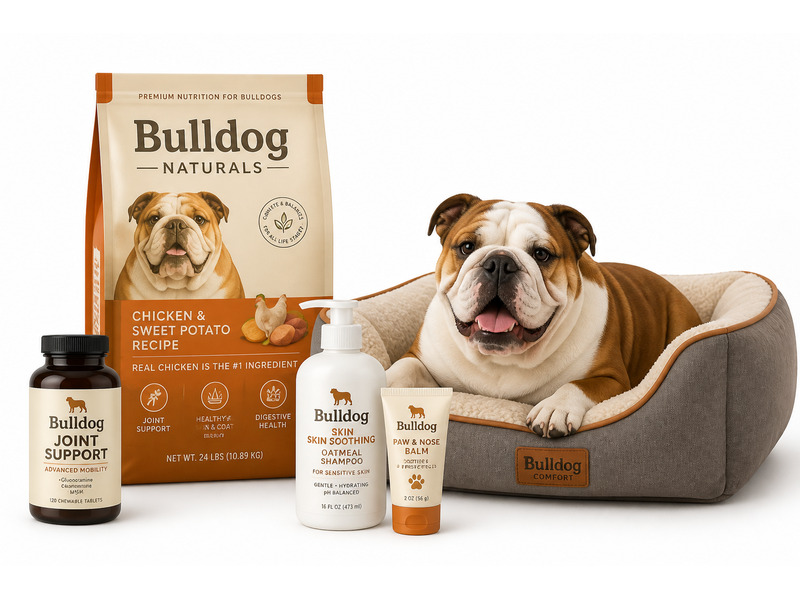
Respiratory Support Products
For Bulldogs with breathing difficulties:
- Cooling vests - Help prevent overheating during warm weather
- Harnesses designed for brachycephalic breeds - Avoid pressure on the neck and airway
- Elevated cooling beds - Provide air circulation and temperature regulation
Pro tip: Never use a collar on a Bulldog; always use a harness to avoid restricting their already-challenged airway.
Joint Health Supplements
For Bulldogs of all ages:
- Glucosamine and chondroitin supplements - Support cartilage health and joint function
- Omega-3 fish oil supplements - Anti-inflammatory benefits for joints and skin
- Joint-support dog beds - Memory foam for comfort and pressure relief
- Natural anti-inflammatory supplements - Turmeric or green-lipped mussel options
Skin and Wrinkle Care
Daily wrinkle maintenance essentials:
- Pet-safe facial fold wipes - Gentle cleansing without harsh chemicals
- Barrier creams for wrinkles - Protect skin folds from moisture and irritation
- Medicated wipes for infected folds - For treatment under veterinary guidance
- Grooming tools for Bulldog coats - Deshedding tools and soft brushes
Bulldog-Specific Nutrition
High-quality foods for Bulldogs:
- Bulldog-formulated dry food - Designed for the breed's unique needs
- Weight management formulas - Critical for maintaining lean body condition
- Joint-support senior formulas - Senior-specific nutrition with mobility support
- Limited ingredient diets - For Bulldogs with food sensitivities or allergies
Bulldog Age Calculator FAQ
1. How long do English Bulldogs typically live?
English Bulldogs typically live 8-10 years, with a median lifespan around 8.4 years according to recent studies. This is shorter than most medium-sized breeds due to their brachycephalic anatomy and associated health conditions. Bulldogs kept at a lean weight with proactive health management can exceed this average by 1-2 years.
2. How do I calculate my Bulldog's age in human years?
Use the AVMA and AKC-validated formula: Year 1 equals 15 human years, year 2 adds 9 more (totaling 24), and each year after 2 adds 5 human years for medium breeds like Bulldogs. For example, a 5-year-old Bulldog is approximately 39 in human years; a 10-year-old is around 64.
3. At what age is a Bulldog considered a senior?
Bulldogs are typically considered seniors at 6-7 years old, which is earlier than many other medium breeds. This is due to their shorter overall lifespan and the earlier onset of age-related health issues common in brachycephalic breeds. Senior care should begin with semi-annual vet visits and lifestyle adjustments.
4. Why do Bulldogs have shorter lifespans than other dogs?
Bulldogs' shorter lifespans result from selective breeding for extreme physical traits: flat faces (brachycephaly), compact bodies, and prominent skin folds. These features cause respiratory challenges (BOAS), joint problems, skin infections, and heat intolerance. The combination of these health issues contributes to their below-average longevity.
5. What is the oldest recorded age for a Bulldog?
Exceptional Bulldogs have been reported to live several years beyond the 10-year upper average. These outliers typically share common traits: lean body condition maintained throughout life, active owners providing consistent exercise, proactive health management, and successful management of brachycephalic airway syndrome.
6. How can I help my Bulldog live longer?
Key longevity factors include: maintaining lean body weight (body condition score 4-5/9), daily moderate exercise avoiding heat, regular dental care from puppyhood, annual or semi-annual vet checkups, proactive management of respiratory conditions, joint supplements and weight control to protect mobility, and high-quality nutrition appropriate to life stage.
7. Do male or female Bulldogs live longer?
Gender has minimal impact on Bulldog longevity. Both males (40-50 lbs) and females (34-44 lbs) share the same 8-10 year life expectancy. Factors like weight management, respiratory health, and overall care have far more impact on lifespan than gender.
8. What health problems are most common in Bulldogs?
The most common Bulldog health issues include: Brachycephalic Obstructive Airway Syndrome (BOAS) affecting breathing, hip dysplasia (Bulldogs have the highest rate of any breed), skin fold dermatitis and infections, eye problems (cherry eye, dry eye, entropion), joint problems and arthritis, and heat intolerance. Regular veterinary care and preventive management are essential.
9. How much exercise does a Bulldog need?
Adult Bulldogs need about 20-30 minutes of exercise daily, but this must be adapted for their respiratory limitations. Avoid exercise during hot weather—early morning and evening are best. Watch for signs of overexertion like heavy panting or difficulty breathing. Senior Bulldogs benefit from shorter, more frequent walks and low-impact activities like swimming.
10. What should I feed my Bulldog?
Feed high-quality dog food appropriate for your Bulldog's life stage (puppy, adult, or senior). Weight management is critical—obesity worsens respiratory problems and joint issues. Consider foods with joint-support ingredients like glucosamine and omega-3s. Bulldogs prone to allergies may benefit from limited-ingredient diets. Consult your vet for personalized nutrition recommendations.
11. How do I care for my Bulldog's wrinkles?
Clean your Bulldog's facial folds daily using pet-safe wipes or a damp cloth. Dry the wrinkles thoroughly afterward—moisture leads to bacterial and yeast infections. Apply a thin layer of barrier cream or paw balm to protect the skin. Check the tail pocket area as well, as it can trap debris and moisture. Consult your vet if you notice redness, odor, or discharge.
12. When should I take my Bulldog to the vet?
Adult Bulldogs should see a vet at least annually; seniors (6+ years) benefit from semi-annual visits. Seek immediate care for: severe difficulty breathing or gasping, collapse or fainting, blue-tinged gums, signs of heat stroke, eye injuries, sudden changes in appetite or mobility, or any severe skin fold infections. Early intervention for respiratory issues can be life-saving.
References and Further Reading
- American Kennel Club. (2026). Bulldog Dog Breed Information. https://www.akc.org/dog-breeds/bulldog/
- Teng KT, Brodbelt DC, et al. (2022). Life tables of annual life expectancy and mortality for companion dogs in the United Kingdom. Scientific Reports.
- Bulldog Club of America. (2026). Bulldog History and Breed Development. https://thebca.org/
- Breeds101. (2026). Bulldog Quick Facts and Lifespan. https://breeds101.com/breeds/bulldog/lifespan/
- Good Boy Atlas. (2026). Bulldog Lifespan + Age Calculator. https://goodboyatlas.com/dog-age-calculator/bulldog
- Orthopedic Foundation for Animals. (2026). Bulldog Hip Dysplasia Statistics.
- Liu NC, Troconis EL, et al. (2017). Conformational risk factors of brachycephalic obstructive airway syndrome (BOAS) in pugs, French bulldogs, and bulldogs. PLOS ONE.
Additional authoritative resources:
Related Dog Age Calculators
Labrador Age Calculator
Calculate your Labrador's age with large breed adjustments
Golden Retriever Calculator
Golden Retriever-specific age calculation tool
German Shepherd Calculator
German Shepherd age conversion with breed factors
General Dog Age Calculator
Calculate any dog's age with size-based adjustments